




Vitamin C has become one of the most talked-about ingredients in skincare and for good reason.
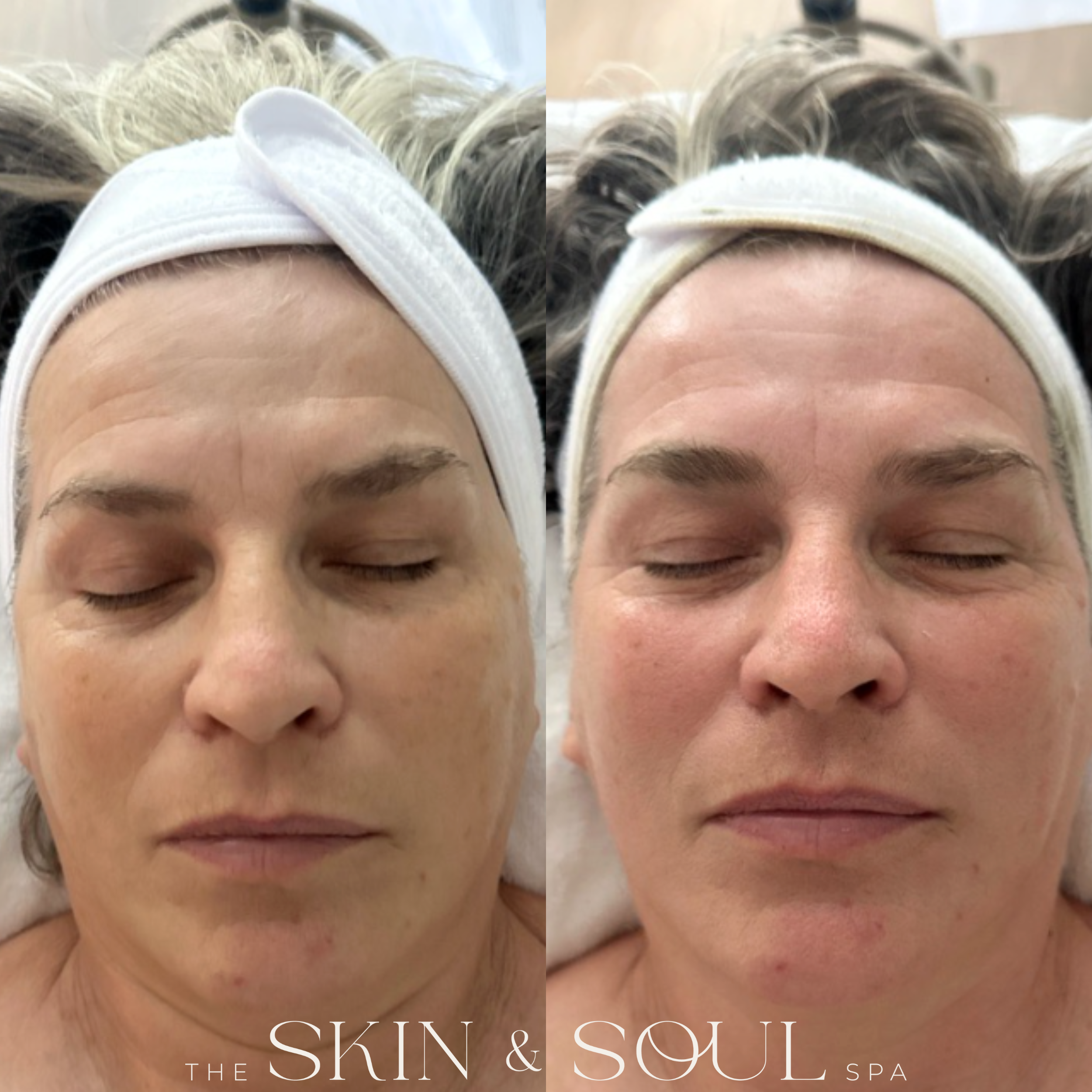
Known for its brightening and antioxidant properties, this powerhouse ingredient can help improve the appearance of dullness, uneven skin tone, pigmentation, and early signs of ageing. It’s one of those ingredients that consistently remains popular because, when used properly, the skin genuinely responds well to it.
But despite its popularity, there’s still a lot of confusion around how Vitamin C works, who should use it, and whether it’s suitable for sensitive or acne-prone skin.
Here’s what Vitamin C actually does for the skin and how to use it in a way that supports healthy, radiant-looking skin long term.
What Does Vitamin C Do for the Skin?
Vitamin C is a powerful antioxidant that helps protect the skin against environmental stressors such as pollution, UV exposure, and free radicals - all of which can contribute to premature ageing and dullness over time.
When used consistently, Vitamin C may help:
• brighten the appearance of tired or uneven skin
• support collagen production for firmer-looking skin
• reduce the appearance of pigmentation and post-acne marks
• improve overall skin tone and texture
• defend against oxidative stress
• promote a healthy, radiant glow
One of the reasons Vitamin C remains so popular is because the results tend to look natural. Skin simply appears fresher, clearer, and more luminous over time.
Why Modern Skin Often Benefits From Vitamin C
Lately, a lot of skin seems stuck in a cycle of inflammation, dullness, and overstimulation.
Long workdays, stress, lack of sleep, environmental exposure, over-exfoliation, and constant screen time all affect how the skin functions and heals.
Vitamin C helps support skin that looks:
• tired or flat
• uneven in tone
• affected by pigmentation or sun damage
• stressed by environmental exposure
• lacking brightness or elasticity
Especially in cities like Sydney, where UV exposure can significantly impact skin health, antioxidant protection becomes incredibly important.
Common Vitamin C Myths
Myth #1: Vitamin C Is Too Harsh for Sensitive Skin
Not all forms of Vitamin C are created equal.
Some formulas use highly acidic forms that may feel irritating, particularly on already sensitive or compromised skin barriers.
Gentler derivatives like Sodium Ascorbyl Phosphate are often far better tolerated while still helping to brighten and protect the skin.
The key is finding a formula that supports the skin barrier rather than overwhelming it.
Myth #2: Higher Percentages Always Work Better
More isn’t always better when it comes to skincare.
Very high concentrations can sometimes lead to redness, dryness, and irritation without necessarily delivering better long-term results.
Balanced formulations paired with hydrating and barrier-supportive ingredients often perform much better over time - especially for sensitive, reactive, or dehydrated skin types.
Myth #3: Vitamin C Causes Breakouts
In reality, many Vitamin C serums are suitable for breakout-prone skin.
Some forms of Vitamin C may even help reduce the appearance of post-acne marks while supporting a clearer-looking complexion overall.
What matters most is the formulation. Lightweight, non-comedogenic serums generally work best for oily or congestion-prone skin.
How to Use Vitamin C Properly
Vitamin C is usually best applied in the morning because of its antioxidant benefits.
Applied underneath moisturiser and SPF, it helps support the skin throughout the day against environmental stressors and oxidative damage.
A few simple tips:
• Start slowly if your skin is sensitive
• Avoid layering too many strong actives together
• Always wear SPF during the day
• Focus on consistency over intensity
Like most good skincare, the best results tend to happen gradually rather than overnight.
Ingredients That Pair Well With Vitamin C
Vitamin C works beautifully alongside ingredients that support hydration and barrier health, including:
• Hyaluronic Acid for hydration
• Vitamin B5 for soothing support
• Niacinamide for barrier support and brightening
• Botanical antioxidants like Kakadu Plum and Hibiscus
Together, these ingredients help create skin that looks brighter, calmer, and more balanced overall.
Healthy Skin Usually Looks Like Balance
One of the biggest misconceptions in skincare is that glowing skin comes from doing more.
More exfoliation.
More actives.
More correction.
But often, healthy-looking skin is simply skin that feels supported.
Hydrated.
Protected.
Balanced.
Less inflamed.
Vitamin C can absolutely become part of that when used thoughtfully and consistently.
A Daily Dose of Radiance
If your skin’s been feeling dull, tired, or a little out of balance lately, a good Vitamin C serum can make a noticeable difference especially when the formula is gentle enough to support the skin barrier at the same time.
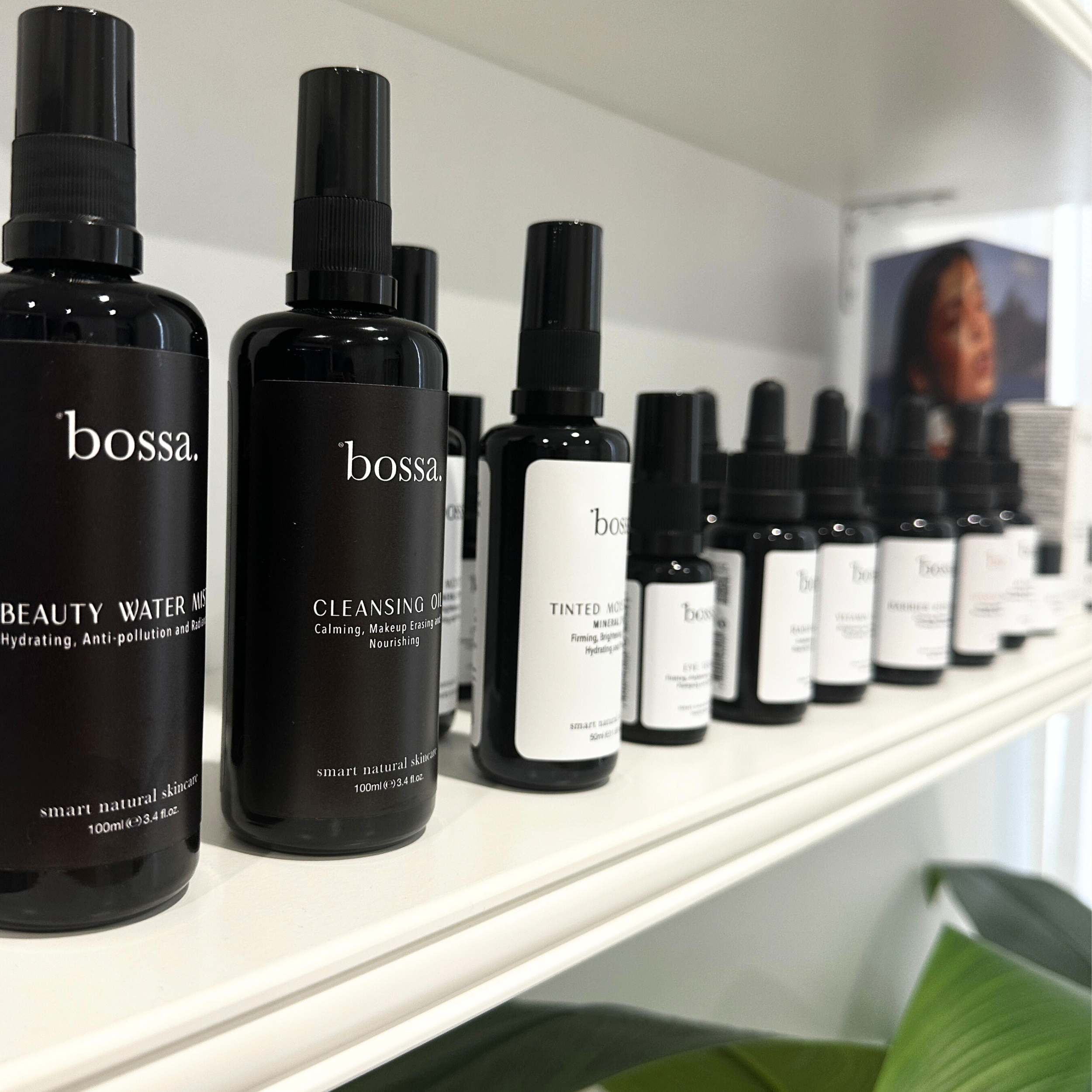
The Bossa Vitamin C Serum combines a stable 15% Vitamin C with Kakadu Plum, Hyaluronic Acid, Vitamin B5, and botanical antioxidants to help brighten, hydrate, and support a healthier-looking glow without feeling harsh on the skin.
Lightweight, calming, and suitable for sensitive or breakout-prone skin.
For brighter, smoother, more radiant-looking skin - naturally.